Choosing the Right Biomass Feedstock for Bio-Coal
Category:
Research
Date:
Creator
Dharmesh V
Not all biomass behaves the same
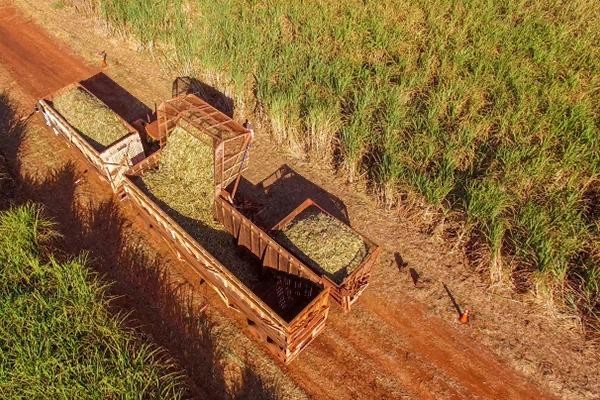
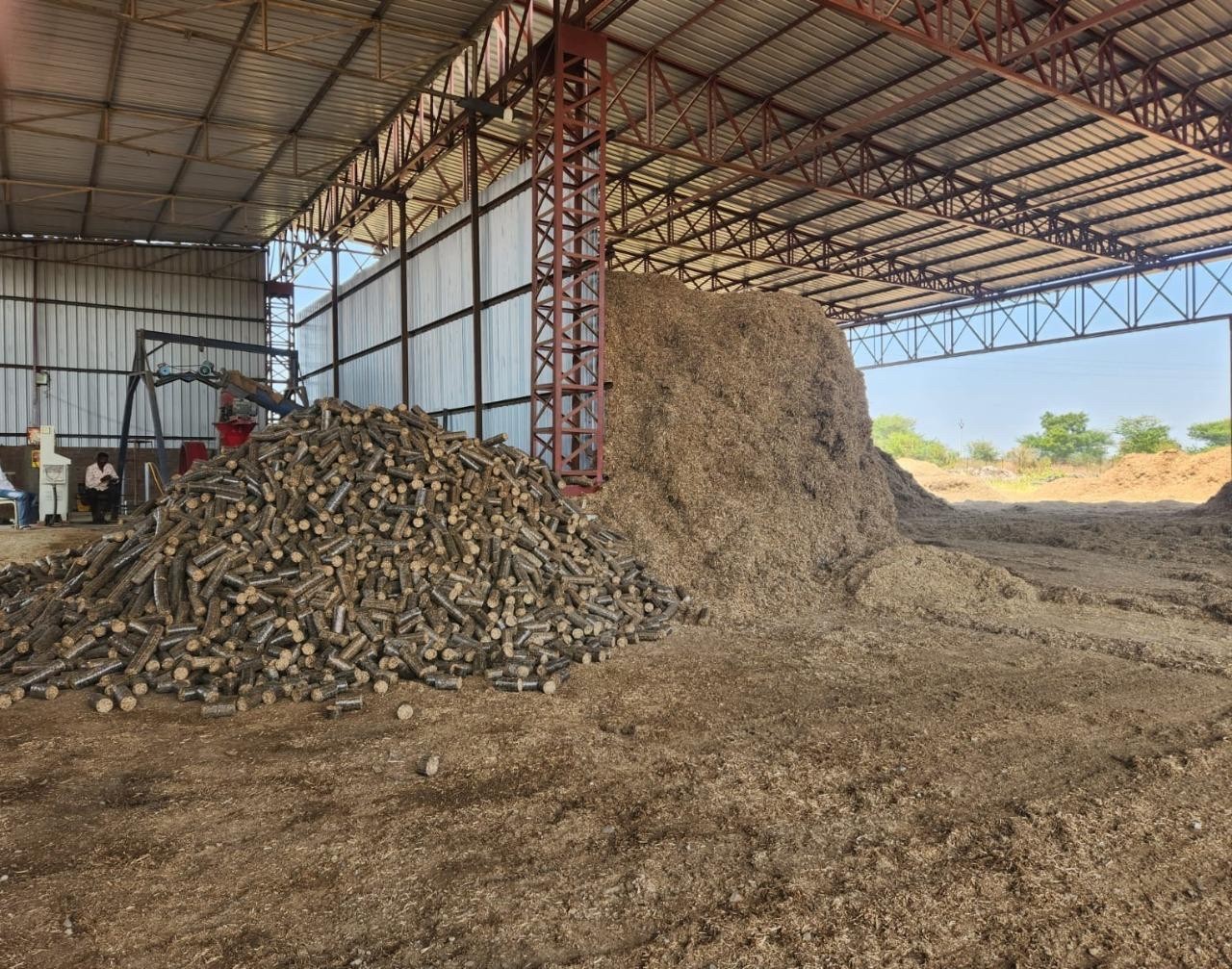
Rice husk, sawdust, bagasse, coconut shells and crop residues can all be used as biomass feedstocks, but each material behaves differently during processing. Particle structure, moisture and ash content can affect how easily the material is prepared and densified.

Feedstock quality affects the final product
A consistent supply of suitable raw material makes it easier to maintain stable production and predictable fuel properties. Contamination, excessive moisture or large variations in material composition can create challenges during processing. Selecting and sorting the feedstock before production helps maintain better control over the finished bio-coal.

Building a reliable biomass supply chain
For commercial production, feedstock availability is as important as its technical characteristics. A successful operation needs reliable sourcing, proper storage and regular quality checks to maintain continuity throughout the year. Using locally available residues can also reduce the distance that bulky raw biomass needs to travel before processing.